


How They Work
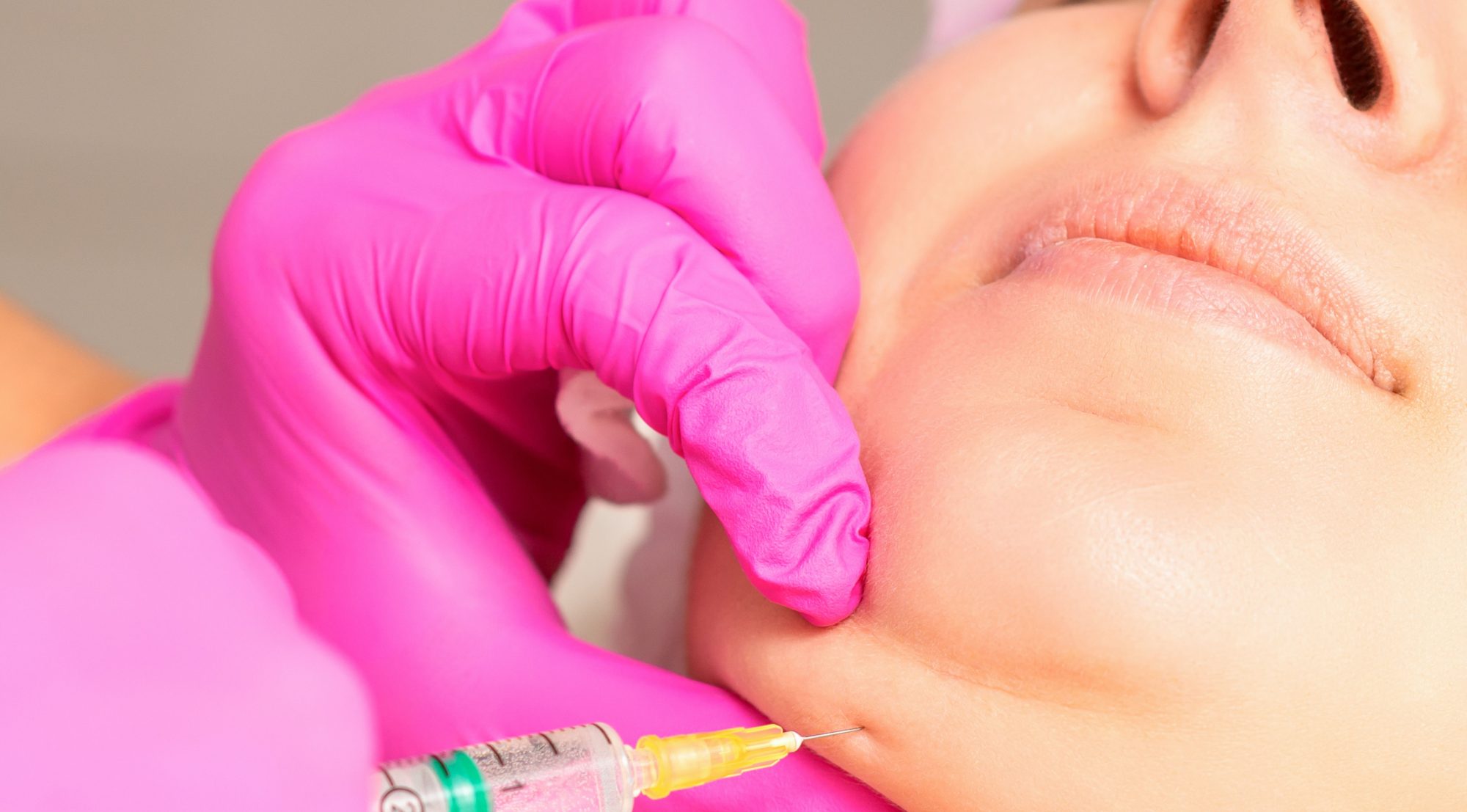
Once injected, the product triggers a controlled biostimulation response within the skin. Fibroblasts begin producing new collagen and elastin around the microspheres of the product, gradually improving skin density, firmness, and facial support.
Benefits
- Gradual, natural-looking rejuvenation without dramatic changes
- Long-lasting results, typically 12–24 months, depending on the product used
- Improved overall skin quality, including firmness, elasticity, and tone
- Minimally invasive treatment with only small injection marks immediately after the procedure
Indications
- Loss of facial volume in the temples and cheeks
- Skin laxity and sagging facial contours
- Nasolabial folds
- Reduced skin firmness, elasticity, and overall quality
Contraindications
- Pregnancy and breastfeeding
- Autoimmune disorders
- Acute inflammation or infection at the injection site
- Tendency to develop keloid scars
- Cancer
Lipolytic Injections
Targeted Fat Reduction Without Surgery
Lipolytics are injectable treatments containing phosphatidylcholine and sodium deoxycholate. They are administered directly into localized fat deposits, where they break down fat cells, allowing the body to eliminate them naturally through the lymphatic system.
How They Work
The treatment disrupts the membranes of fat cells. The released fat is then gradually metabolized and removed by the body's natural processes over the following weeks.
Benefits
- Precise contouring of localized fat deposits, including the double chin, cheeks, and body areas, without surgery
- Minimal downtime, with swelling and redness typically resolving within 1–3 days
- Can be safely combined with other aesthetic treatments
- Progressive improvement throughout the recommended treatment course
Indications
- Localized fat deposits on the face (such as a double chin) and body
- Body contouring in areas resistant to diet and exercise
- Cellulite
Contraindications
- Thyroid disorders
- Blood clotting disorders
- Severe liver or kidney disease
- Pregnancy and breastfeeding
- Inflammatory skin conditions in the treatment area
- Acute infectious diseases
Exosome Therapy
Next-Generation Cellular Skin Regeneration
Exosomes are microscopic extracellular vesicles that contain growth factors, proteins, and RNA. Acting as the body's natural cellular messengers, they deliver signals that promote tissue repair and regeneration.
In aesthetic medicine, exosome therapy is used to enhance regenerative treatments, accelerate healing, and improve overall skin quality.
How It Works
Once introduced into the skin, exosomes stimulate fibroblasts to increase collagen and elastin production, improve microcirculation, and accelerate cellular renewal, helping restore healthier, younger-looking skin.
Benefits
- Noticeably improved skin quality, including firmness, hydration, and radiance
- Faster recovery following intensive treatments such as laser resurfacing, chemical peels, or mesotherapy
- Reduced appearance of post-acne marks and minor scars
- Minimal risk of allergic reactions
Indications
- Dull, dehydrated, or stressed skin
- Post-acne marks and scarring
- Skin preparation before, or recovery after, laser and energy-based treatments
- Age-related decline in skin quality
Contraindications
- Pregnancy and breastfeeding
- Cancer
- Acute infectious or inflammatory conditions
- Known allergy or hypersensitivity to any treatment components
Important
A consultation with a qualified aesthetic physician or cosmetic dermatologist is required before any of these treatments. During the consultation, your skin condition, medical history, and individual concerns will be assessed to determine the most appropriate treatment plan and to rule out any contraindications.